You don't fix retention with perks. You fix it with people who feel skilled, safe and heard.
Senior leaders shaping the future of hospitality, on the decisions, pressures and people behind the numbers.
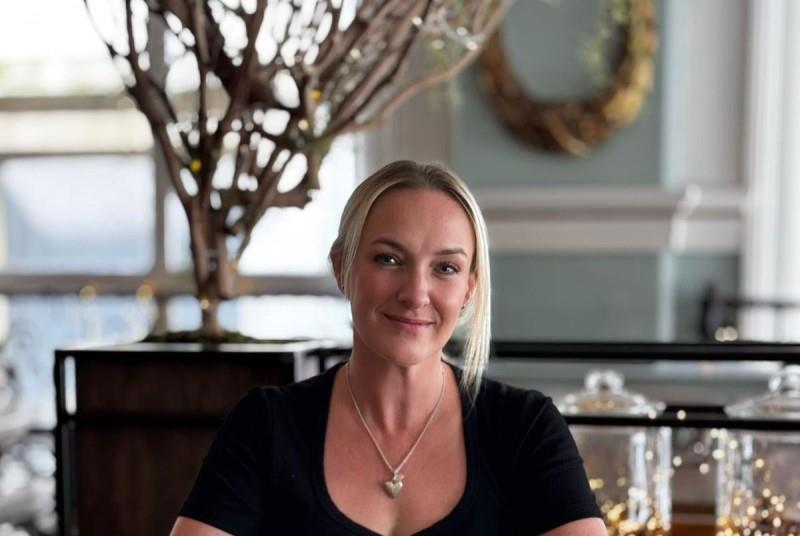
Lucy WorthChief Executive Officer, Mowgli Street Food
CEO · Mowgli Street Food30 Years in Hospitality
Role
Chief ExecutiveMowgli Street Food
Remit
Multi-siteFresh Indian street food, UK-wide
Years in hospitality
30From a Pizza Express floor to CEO
Known for
People-firstLong-view leadership
The Introduction
Lucy Worth has spent thirty years in hospitality, and it shows in the way she talks about it, not as an industry to be managed, but as a place where warmth and food join people up. She started outside a Pizza Express at sixteen. Today she runs Mowgli Street Food, and she has just done something the growth playbook says you should never do: she slowed the business down.
Seven years at Mowgli, the most recent as CEO, have given Worth a clear read on the decade hospitality has just lived through, COVID, a cost-of-living crisis, and a guest whose behaviour has changed for good. We sat down to ask how you protect a brand, and its people, when the planning horizon has collapsed to eighteen months, and what she has learned about holding your nerve when the numbers say retreat.
The Interview
Thirteen questions
Q01
Take us back to the moment you knew hospitality was the career, not just the job. What did that teach you about leading in it?
It started outside a Pizza Express at sixteen, a chance conversation with a manager who could see I was having a bad day, and a job offer that changed everything for me. I had done a brief spell at McDonald's at fifteen and a half, so the industry wasn't completely new, but it was at university that I realised just how unique hospitality is. No two days are the same, the people you work alongside come from every conceivable background, and food is the universal language that brings them together. This is really what has shaped my approach to leadership. One minute you're talking to a KP, the next you're in a board meeting alongside investors. Working with such a variety of people teaches you to listen, adapt and value every perspective, because everyone contributes to the experience your guests remember. It's that kind of inclusivity that has kept me in the industry for over thirty years.
Q02
What is the single hardest leadership challenge facing hospitality directors today that the outside world doesn't see?
We have had a very eventful decade. COVID six years ago, followed by a brief window of recovery, then moving straight into a cost-of-living crisis, geopolitical uncertainty, and a resulting behavioural shift from consumers. We can see that guests are spending less, dining earlier, and scrutinising every pound. This is then compounded by another hidden difficulty, that we are expected to give more, more value, more experience, more warmth, often with fewer people to actually deliver it. All of this has meant that the business planning horizon has completely changed. Rather than three year plans, we have been working twelve to twenty-four months out, to reflect the rapidly changing environment we're operating in. The outside world sees the restaurant. It does not see the leadership team recalibrating every quarter in order to stay ahead of what is coming next.
Q03
Recruitment and retention have been called a crisis for a decade. Be honest: is it the industry's fault, and what are you doing differently?
Partly, yes. The temptation under financial pressure is to cut investment into people and the things they need to do their job well, and that's never the right thing to do. Leadership development is too often reserved for senior teams, but in my view, it starts much earlier: the moment someone gets their first set of keys. A new manager running shifts in a GM's absence needs real skills, confidence, up to date knowledge on HR and health and safety processes, the ability to independently handle a tricky situation and have great conversations. We have always recognised this and invested to ensure consistency at every level. We are fortunate that many of our senior leadership team have been in role for some time and our GMs have real tenure, which creates stability. That stability in turn filters down into the rest of the team, and it is the key reason our turnover is low. You do not fix retention with perks, you fix it with people who feel skilled, safe and heard.
“
People work for people, not businesses. That filters down.
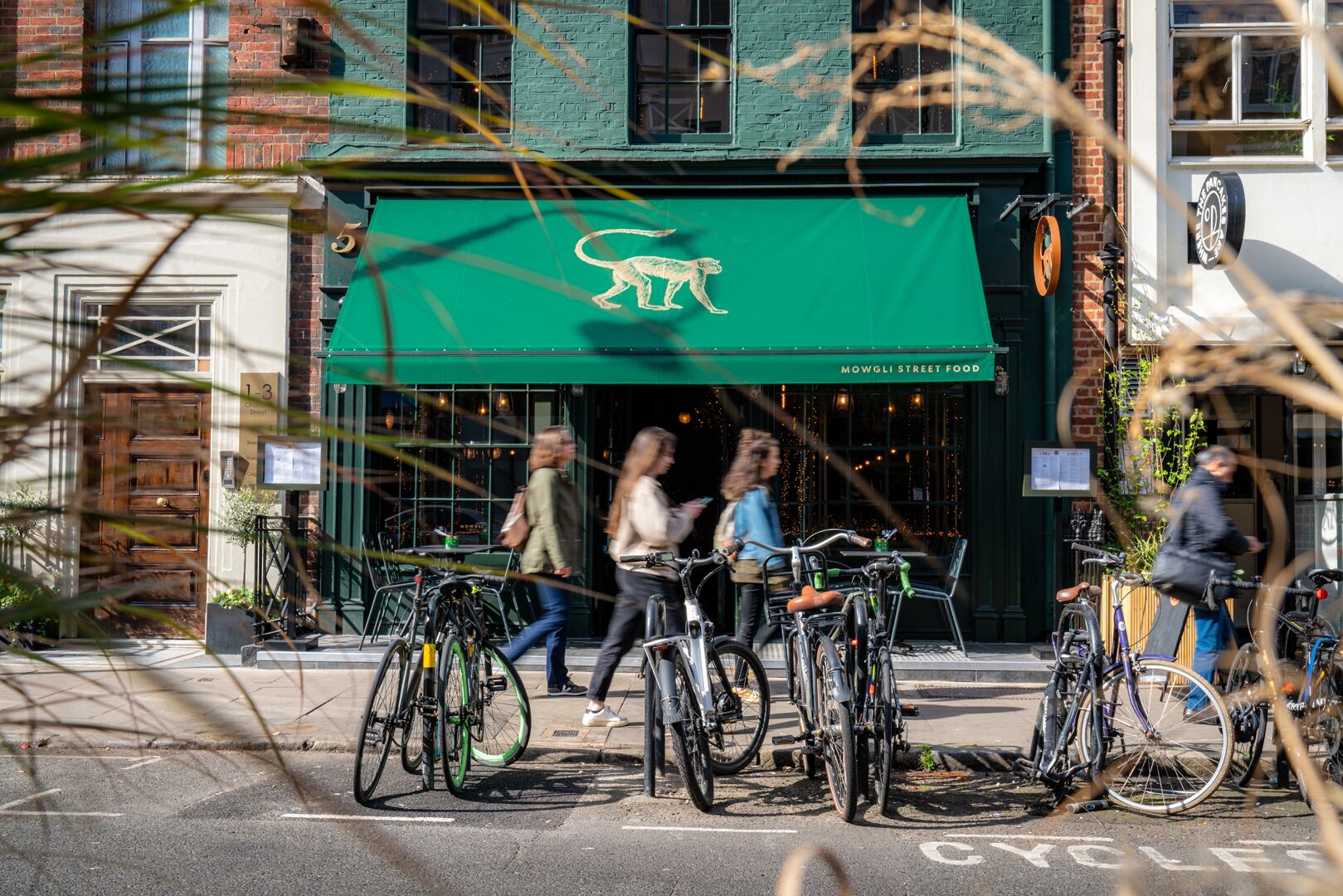
Mowgli Street Food · on the high street
Q04
Margins are under relentless pressure, yet guests expect more than ever. Where do you refuse to cut, and where have you learned you can?
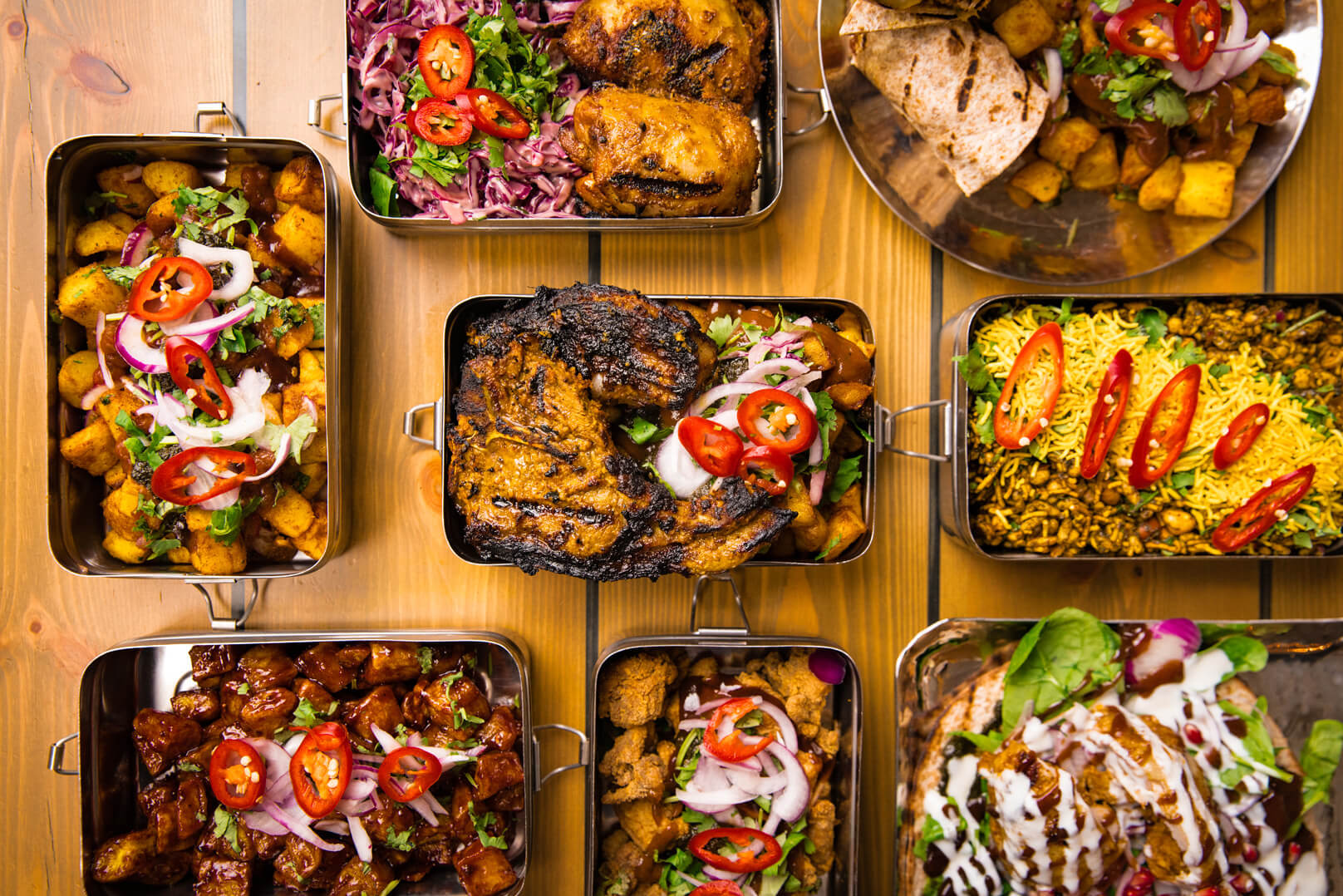
Food quality is non-negotiable. Mowgli cooks everything fresh, every day, and that will not change. Nisha's recipes were designed around what was in her fridge, which happens to make them extraordinarily operationally effective. The intelligence is in the menu composition, we have become far more seasonal in our menu decisions, rotating dishes at the right times rather than carrying them year-round to ensure we provide a relevant offering that people really want in the moment. We are a weekend-heavy, experience-led business, Fridays and Saturdays drive the operation, and we have creatively tapped into a new generation who want shorter, more flexible shifts, and have made those shifts genuinely worth showing up for. Training is the other absolute non-negotiable, it is the first thing many businesses cut, but it is also the thing that costs the business most when it is gone.
Q05
How do you decide which technology is worth the investment and which is just noise?
There is a great deal of noise and innovation growth in tech right now, which really boomed post-COVID and has made the landscape more complex and overwhelming. We have deliberately stepped into this world carefully and have been looking at our business holistically to make sure we integrate it responsibly. AI is fascinating, and we are actively exploring it, for example, we have been training our GMs on Copilot and looking at how AI can improve both the customer journey and team efficiency. But legacy systems are a real constraint and consideration, you cannot bolt sophisticated AI onto a back-end that cannot integrate with it. So, we have pulled the whole programme into its own workstream which consists of a robust two-to-three-year tech strategy. At this moment, labour forecasting is furthest along, because we have the historical data to make it genuinely predictive. The principle approach we take to tech at Mowgli is simple: if the system is not ready, neither are we.
Q06
Culture is easy to talk about and hard to scale. How do you keep it consistent across sites and shifts you're never in?
Consistency of leadership is everything. We are fortunate to have anchor figures who have been here a long time, alongside healthy new energy, and that stability creates a ripple effect through the business. Beyond that, it is the communication architecture which really matters, we provide a structured cascade that touches restaurants every week, connects with people monthly, and brings the wider team together quarterly. Every role, management and non-management, has a comms plan tailored to it. We use workplace technology to give the teams visibility and keep everything they need at their fingertips. But presence matters too when driving a culture, so our people and ops teams are on the road constantly, as physical visibility is irreplaceable. The other key factor in sustaining culture is not changing direction every six months. If the mission stays clear and the vision stays consistent, then the culture takes care of itself. Ultimately, people work for people, not businesses, and that principle filters down across our teams.
On the menu · Mowgli's Indian street food
Q07
When the data says one thing and your instinct says another, which wins?
In this scenario you have to meet in the middle, but with one important caveat: the data being used has to be recent. Customer behaviour has shifted so dramatically in the last two years that data from three years ago is essentially void. Guests are spending less, dining earlier, making different choices than they did pre-2024. The same is true of the team: they want fewer hours and more flexibility. What my team now uses is three to six months of data rather than three to six years, the only window that reflects the world we are actually operating in. Instinct still has a seat at the table, particularly for people calls, but we should always be anchored to evidence, not nostalgia.
Q08
What's a decision you made under real uncertainty that you're still proud of, even if it was unpopular at the time?
Slowing our growth. Until a year ago, Mowgli was in a fast expansion phase. Very quickly after stepping into the CEO role, I made the decision to pull back on new openings. We are twelve years old this year, and some of that estate needed capital investment, not new sites competing for the same leadership bandwidth. The timing also felt wrong: consumer behaviour was shifting, AI was rewriting the operating landscape, and we had significant legacy infrastructure to modernise. This decision was met with mixed views, but I stand by it. What we have achieved in the last twelve months, getting our house in order, putting modern ways of working in place, and genuinely preparing the business for what comes next would not have been possible if we had kept all of our focus and investment on openings. Through this decision, we protected twelve years of hard work and we are in a much stronger position for it.
“
AI will replace the people who refuse to embrace it. The ones who do will have more time for the human connection this industry is built on.
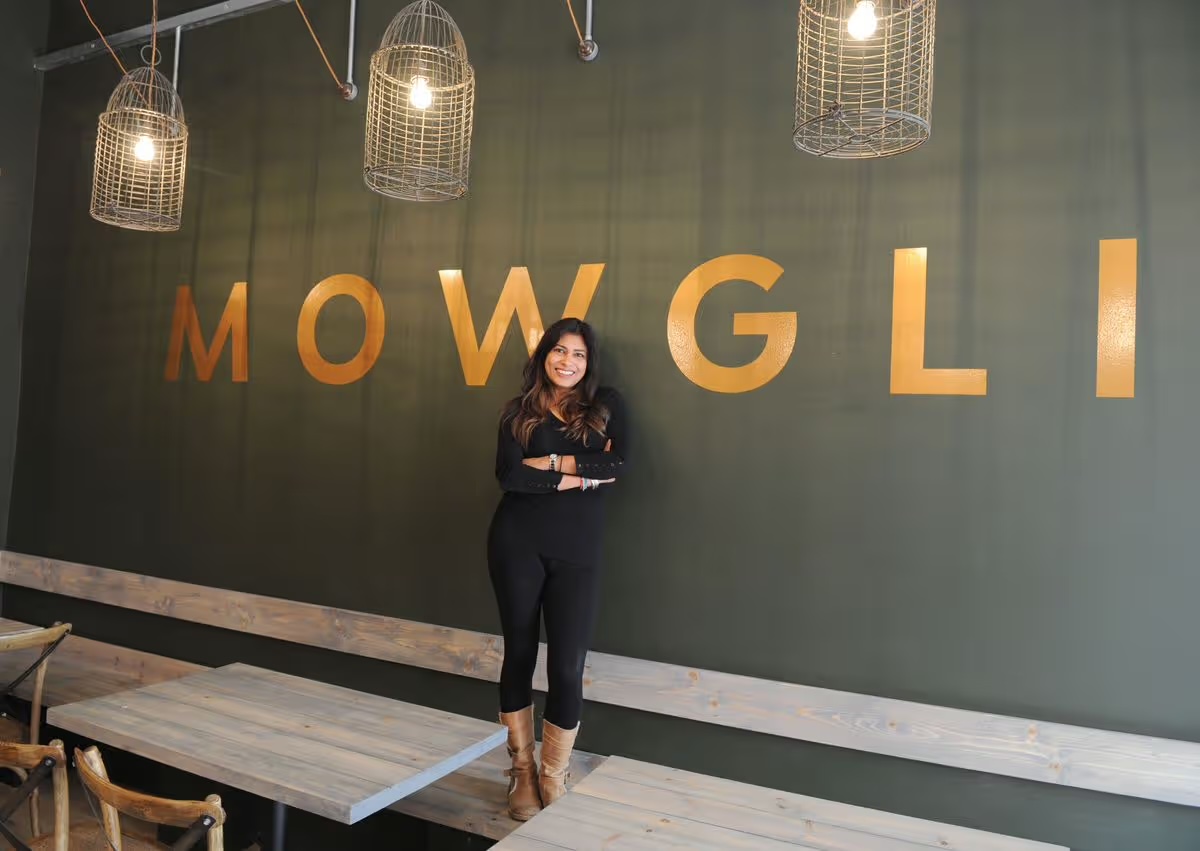
The Founder
Nisha Katona
Founder of Mowgli Street Food, and the spark behind the brand Lucy now leads.
Q09
How real is the sustainability conversation in your boardroom?
Sustainability is absolutely part of our decision making, but I'd be honest in saying that hospitality businesses are balancing a number of immediate priorities right now. Over the last few years the industry has faced unprecedented external pressures, so resilience has become essential. That being said, it is part of our strategy, and we make sustainable choices wherever we can. When we launched delivery, we were deliberate about responsible packaging, we have always been conscientious about energy and food sourcing and these principles are embedded in who Mowgli is. What we have not done is layer significant new sustainability initiatives on top of everything else. We are continuing what we have always done, doing it well, and being responsible with every decision. For the sector, the conversation will intensify as immediate operational pressures stabilise. Right now, survival and sustainability are having to share the same breath.
Q10
What keeps you up at night about the next 18 months, and what are you genuinely optimistic about?
The uncertainty in the world is genuinely unsettling for people, and I do not think that is a small thing to say. But within that, I think hospitality has a real role to play. When people walk through the doors of a restaurant they love, the smell of the food, the familiar faces, the warmth of it, there is something deeply comforting in that. We are a safe haven for people in difficult and uncertain times. Through our Mowgli Magic campaigns, we are actively trying to give back to local communities, to be that consistent, comforting presence. In a world full of noise and instability, people look for that comfort and welcoming space more, not less. This is what excites me about hospitality, we have a meaningful role to play in making things a little better for people, and that deeper purpose really matters.
Q11
If you could change one thing about how hospitality is led, what would it be?
Recognition. We are one of the UK's largest employers and a significant contributor to the economy, and yet hospitality is chronically undervalued at a national level. The opportunity this industry gives people is extraordinary: you can walk in with virtually no prior experience and leave with a whole portfolio of skills, confidence and often a career that surprises you. Hospitality changes lives, for employees and guests alike. What I would love is for that to be genuinely recognised, particularly by government when thinking about policy, high streets and investment. It provides comfort, experience, employment and economic value. I sometimes think the best thing we could do would be to invite policymakers into our restaurants for a week and let them see what it actually takes, and what it gives back.
Q12
What do you know now that you wish someone had told you in your first leadership role?
Be uncompromising about the people around you. If you are clear on what you are trying to achieve, and for me that has always been a happy team, happy guests and a great restaurant, then the people closest to you have to share that vision. They do not need identical skills; in fact, you should have different skills around the table. But they absolutely must share the same love for hospitality and the same sense of direction. If they do not, you will all be swimming different ways, and the organisation consequently pays the price. Early in a leadership role, there is a real temptation to accommodate misalignment, to hope people come round, or to avoid difficult conversations. Do not. The kindest thing you can do for the business, and often for the person, is to be honest early, and protect the vision.
Q13
Five years out, what does great hospitality leadership look like?
I hope it looks like a generation of customers who can afford to dine out more freely, and who have the places they love waiting for them. And I hope it looks like a generation of employees who have come up through this industry and are now leading it. People like me, in other words, who started somewhere unexpected and discovered a career that truly shaped their lives. The leaders of today are focused on using technology to remove friction and administrative weight, so that teams can concentrate on what actually matters: customers and each other. There is a great deal of anxiety about AI replacing people, but I do not share it. AI will replace the people who refuse to embrace it. The ones who do will have more time for the human connection that this industry is built on and that is the future I am working towards.
The Quickfire Round
First instinct only. No diplomatic answers.
Best leadership advice you've been given?Surround yourself with people who are better than you.
One metric you check before anything else?Sales. First thing, every morning.
Most underrated role in hospitality?Kitchen assistants and shift managers, in equal measure. Kitchen assistants carry one of the hardest jobs in the building and are almost always the most eager to learn. Shift managers, if you get them right, are twelve shifts a week of brilliant, consistent operation.
A leader you'd steal a tactic from?Pep Guardiola. Before you take a step, know which direction you are going in. Short-term and long-term thinking, held simultaneously, and every move aligned to the bigger picture.
The trend you wish would disappear?QR-code-only ordering. Technology absolutely has its place, but someone sitting down at a table, being greeted, being asked about their evening, being recommended a dish with genuine enthusiasm, that is hospitality, and some touchpoints should remain human.
Last thing that impressed you as a guest?Hawksmoor, Covent Garden. I cannot remember whether his name was Dean or Jamie, but the server was exceptional, from the moment we walked in, to the last course. The passion with which he talked through the food made the whole table more excited. Did I need two starters and the steak? Probably not. But I enjoyed every mouthful.
In Partnership
Leadership is built on the connections you can rely on.
Resilience is a Tech on Toast series, in partnership with Sky Business, monthly conversations with the leaders keeping hospitality standing, and the nerve it takes to lead through whatever the next shift brings.
Sky Business is the B2B division of Sky, one of Europe's leading media and entertainment companies and part of Comcast Corporation.
Sky provide reliable connectivity solutions and unmissable live sport and entertainment to businesses of all sizes and sectors. As a trusted partner, Sky Business helps organisations stay connected, secure and ready for today's challenges and tomorrow's opportunities.
 Tech on Toast